
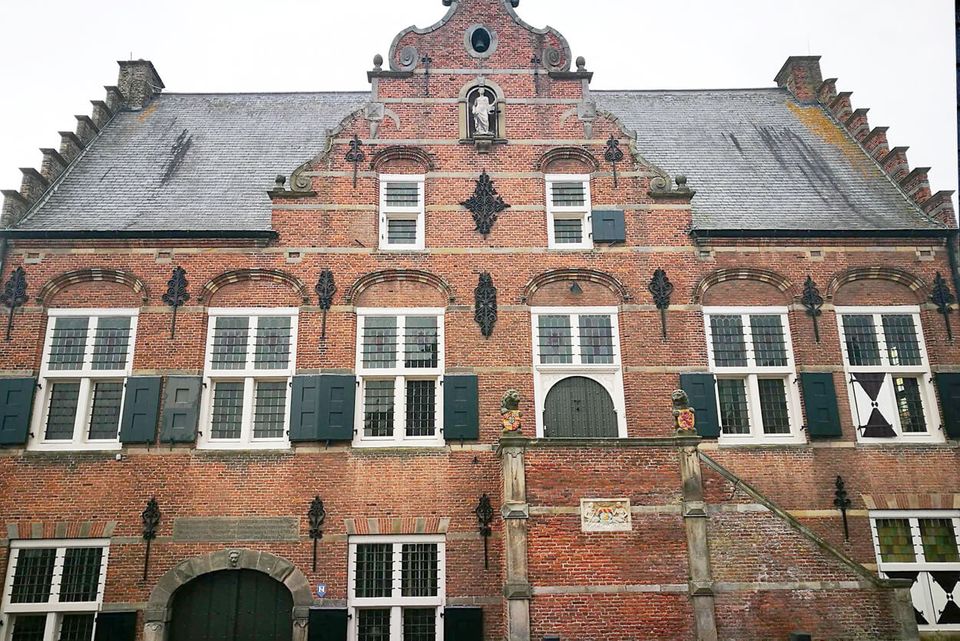
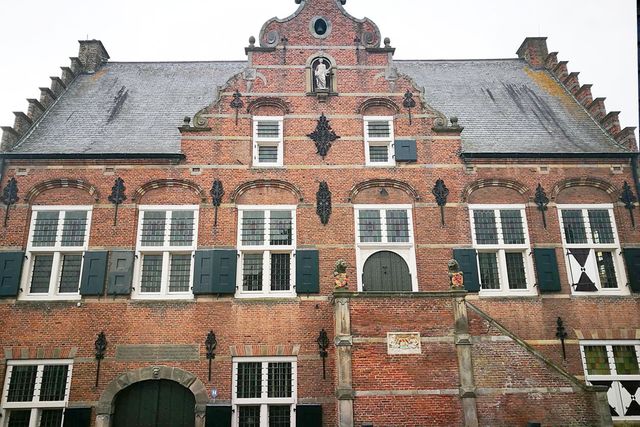
Exhibition on Medieval finds in Raadhuis Ooltgensplaat
This summer, Raadhuis Ooltgensplaat is presenting a unique exhibition on the archaeological excavations between 1979 and 1987. Visitors will be transported to the world of the 13th century, hidden for centuries under the clay.
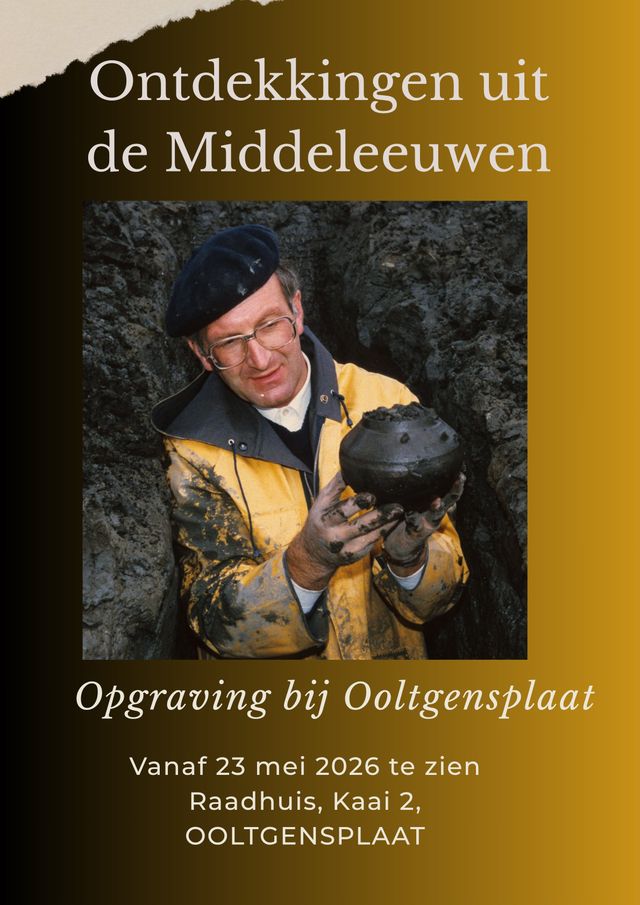
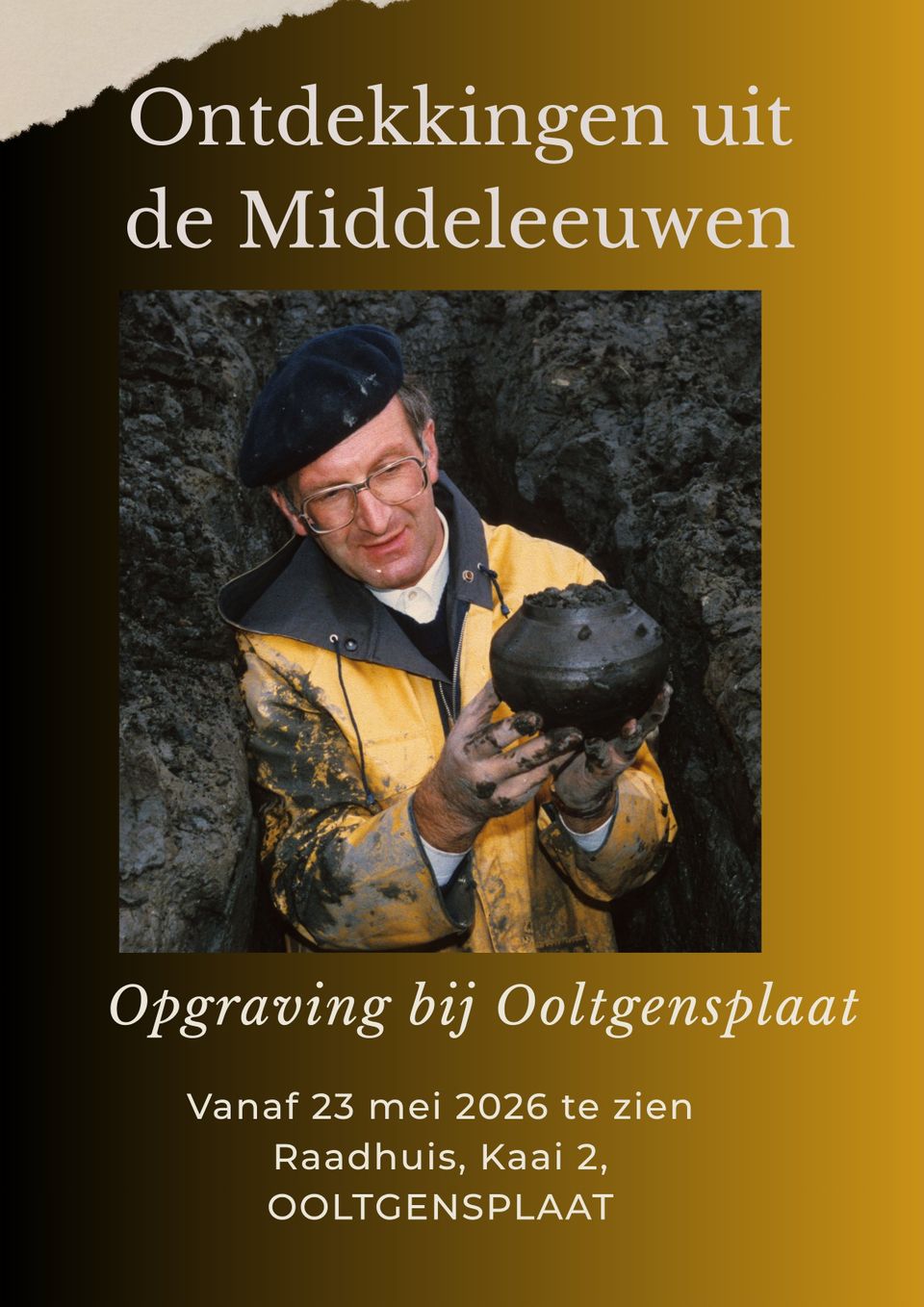
In 1979, a team of archaeologists from 'De Motte' made a spectacular discovery near Ooltgensplaat. The remains of Berwoutsmoer, a village that disappeared in the waves, resurfaced after centuries. The finds offer a rare insight into daily life, architecture and the battle against the water in the late Middle Ages.
Thanks to a special collaboration with the historical and archaeological society 'De Motte' and the Streekmuseum in Middelharnis, the Council House is displaying the results of this historical excavation. Through carefully preserved artefacts, photographs and a model, the story of the vanished village is told.
Race against the clock
Thanks to...
This summer, Raadhuis Ooltgensplaat is presenting a unique exhibition on the archaeological excavations between 1979 and 1987. Visitors will be transported to the world of the 13th century, hidden for centuries under the clay.
In 1979, a team of archaeologists from 'De Motte' made a spectacular discovery near Ooltgensplaat. The remains of Berwoutsmoer, a village that disappeared in the waves, resurfaced after centuries. The finds offer a rare insight into daily life, architecture and the battle against the water in the late Middle Ages.
Thanks to a special collaboration with the historical and archaeological society 'De Motte' and the Streekmuseum in Middelharnis, the Council House is displaying the results of this historical excavation. Through carefully preserved artefacts, photographs and a model, the story of the vanished village is told.
Race against time
Thanks to the excavations of 'De Motte', we are getting an impression of the life of the inhabitants between 1200 and 1400 in this small settlement, which later came to be called 'Berwoutsmoer'. The excavation shows that people lived there from cattle farming, salt extraction and fishing, and possibly also from trading with ships from other parts of the world. However, it was a race against time to be able to map the medieval village, as at the time the site was only passable at low tide. The results of the archaeologists' efforts can be admired at the Council House this season.
Prices
- Admission is free, there are also free guided tours by enthusiastic volunteers. A contribution to the tip jar is appreciated and will benefit the Council House.
Take a closer look
Contact
Kaai 2
3257 AG Ooltgensplaat Plan your route to the Exposition on Medieval Finds in the Raadhuis Ooltgensplaat